


Why Are My Child’s Permanent Teeth Growing Behind Their Baby Teeth?
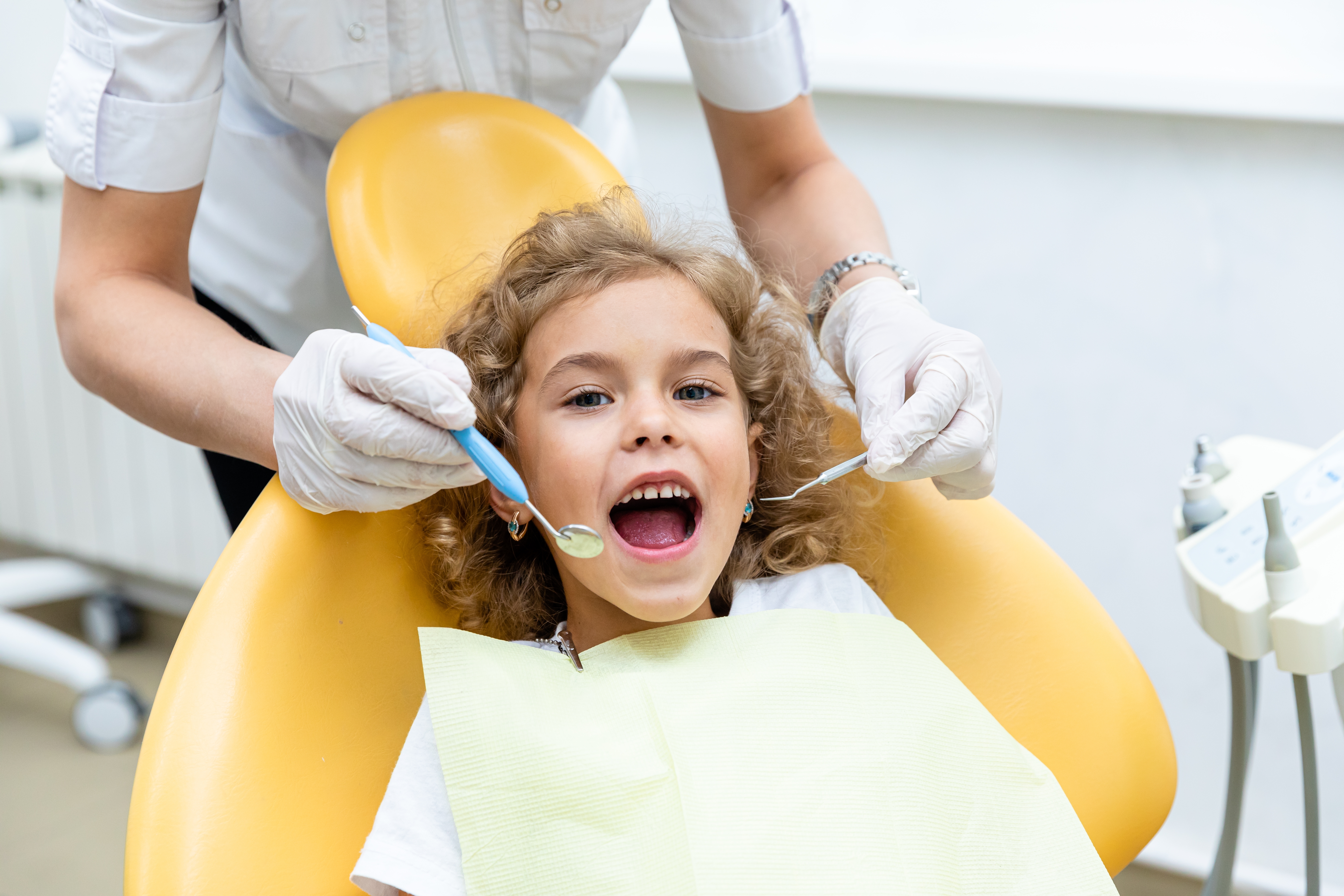
Noticing a second row of teeth growing behind your child's baby teeth can be surprising. While it may look unusual, this is a relatively common occurrence during childhood dental development. At Colwick Pediatric Dentistry in Cleburne, TX, we help parents understand these changes and determine when professional dental care may be needed.
What Are Shark Teeth in Children?
When permanent teeth begin growing behind baby teeth that have not fallen out, the condition is commonly called "shark teeth." The name comes from the appearance of two rows of teeth, similar to a shark's mouth.
This typically happens around ages 5 to 7, when children begin losing their front baby teeth. It is most common in the lower front teeth, although it can occur elsewhere.
As a permanent tooth develops, the root of the baby tooth normally breaks down in a process called resorption. This allows the baby tooth to loosen and fall out. A permanent tooth can sometimes emerge before the baby tooth has loosened enough to fall out.
Why Do Permanent Teeth Grow Behind Baby Teeth?
Several factors can contribute to permanent teeth erupting before baby teeth fall out.
A permanent tooth may follow a path behind the baby tooth. In some cases, the baby tooth's root has not resorbed enough for the tooth to loosen by the time the permanent tooth appears.
Limited space in the jaw can also contribute to unusual eruption patterns. Because permanent teeth are generally larger than baby teeth, crowding may become noticeable as adult teeth begin emerging.
Fortunately, having two rows of teeth does not automatically mean your child needs an extraction or orthodontic treatment.
When Should Parents Be Concerned About Shark Teeth?
In many cases, the baby tooth eventually loosens and falls out naturally. Once it does, pressure from the tongue may help guide the permanent tooth into a better position.
However, certain situations deserve attention from a pediatric dentist:
- Baby teeth remain firmly attached: The permanent tooth is emerging, but the baby tooth shows little or no movement.
- Pain or discomfort develops: Your child experiences persistent tenderness, swelling, or difficulty chewing.
- Permanent teeth appear crowded: There may not be enough space for the new teeth to move into their proper positions.
- Upper permanent teeth erupt behind baby teeth: An evaluation can help identify potential bite alignment concerns.
- The baby tooth does not fall out: The permanent tooth continues growing while the baby tooth remains in place.
If you notice any of these concerns, scheduling a pediatric dental examination can help determine the appropriate next steps.
How Are Permanent Teeth Growing Behind Baby Teeth Treated?
Treatment depends on your child's age, tooth development, and available space. During an examination, we evaluate the position of the permanent teeth and whether the baby teeth are loosening appropriately. Dental X-rays may be recommended when additional information is necessary.
If the baby tooth is already loose, we may recommend monitoring it while encouraging gentle wiggling. Maintaining good brushing and flossing habits is especially important because overlapping teeth can be more difficult to clean.
When a baby tooth remains firmly attached and interferes with permanent tooth eruption, an extraction may be recommended. However, removing the baby tooth does not necessarily correct crowding or alignment concerns.
If you've noticed permanent teeth growing behind your child's baby teeth, schedule an examination with Colwick Pediatric Dentistry in Cleburne, TX, by calling (817) 382-3029.


Monday-Thursday
8:00 AM - 4:00PM
Friday - Sunday
Closed
© 2026 Colwick Pediatric Dentistry - All Rights Reserved - Accessibility Statement - Privacy Policy - Sitemap
Powered by 